March 31, 2026
And no, more budget is not going to fix that.
Scroll through your Instagram feed for five minutes. I will wait.
What did you see? Probably another AI generated video. Perfectly animated. Slick transitions. Professional voiceover. Visually stunning. And selling you something you will forget about by tomorrow morning.
I see it every single day. And honestly? I get it. The production value is real. The effort behind those assets is real. The money spent is absolutely real. But here is what is also real: I have personally paid for subscriptions to some of these tools, used them for exactly one month, cancelled, and moved on with my life like it never happened. Not because the marketing failed to get my attention. It absolutely got my attention. It just had nothing to back it up.
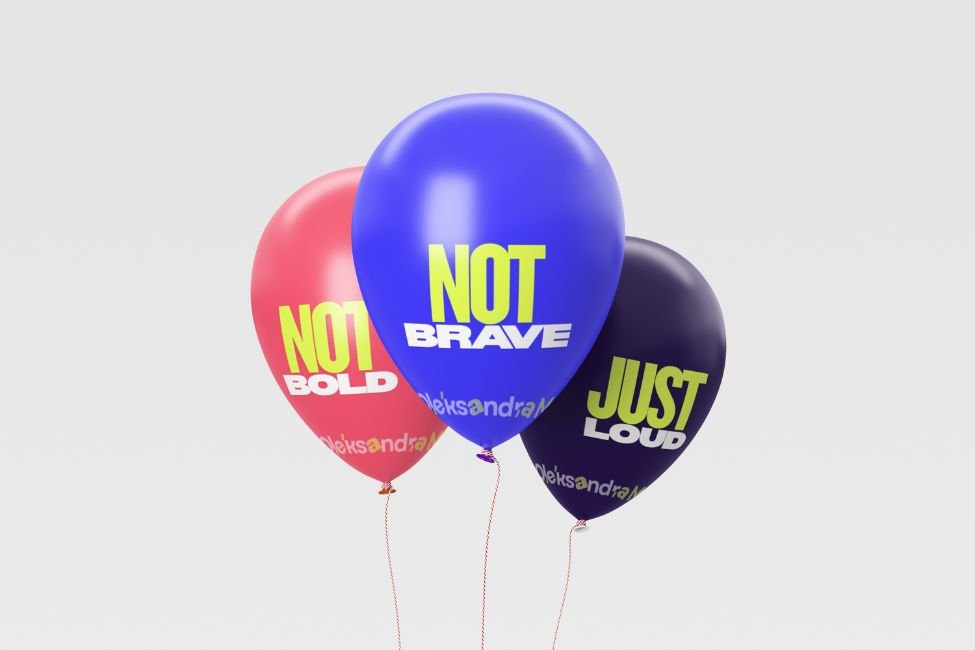
That is the difference between loud and bold. Loud gets the click. Bold gets remembered.
The AI Trap Nobody Is Talking About
Here is what is happening right now and it is worth saying out loud. Every brand with a decent budget is using the same AI tools to create the same style of content targeting the same audiences with the same messaging. And it looks incredible. Truly. The output quality has never been higher.
But here is the problem. When everyone uses the same tools the same way, nobody stands out. You are not cutting through the noise. You are adding to it.
I am not saying do not use AI. I use it every single day. What I am saying is that AI is a production tool, not a strategy. Using Midjourney to make your ads look beautiful does not replace the thinking that has to happen before anyone opens a single tool. That thinking is what most people are skipping. Because it is harder. Because it takes more time. Because a brainstorming session that goes somewhere unexpected is uncomfortable and slow and cannot be automated.
So instead we get beautiful campaigns that say nothing. And clients paying thousands of dollars for content that closes maybe two leads.
The Windows And Doors Problem
Let me give you a real example. I work with clients across completely different industries. And one pattern shows up constantly regardless of the sector. When a business is not seen as inherently creative, the default move is to copy what competitors are doing.
Windows and doors companies. Bear with me here because this is where it gets interesting.
Ninety percent of marketers look at a windows and doors client and immediately think: there is not much you can do creatively here. So they run the same ads everyone else is running. Same offers. Same before and after photos. Same “get a free quote” call to action. And then they wonder why the cost per lead is so high and the brand recognition is basically zero.
But what if you thought about it differently? What if instead of running another generic campaign you built something people actually remembered?
This is exactly what Red Bull did. And they were not even selling an exciting product. They were selling a can of sugar and caffeine.
The Most Expensive Marketing Campaign That Had Nothing To Do With The Product
On October 14, 2012, Red Bull sent a man named Felix Baumgartner 39 kilometres into the stratosphere in a capsule attached to a helium balloon. Then he jumped. He broke the sound barrier with his body, hitting speeds of over 1,357 kilometres per hour, and 8 million people watched it live on YouTube while it was happening. Content from Red Bull Stratos has since been watched close to a billion times.
Guinness World Records | Red Bull Video
Red Bull did not mention their drink once.
They did not show a can. They did not talk about taste or energy or ingredients. They just put a human being on the edge of space and let him fall back to Earth at the speed of sound. Five years of planning. A $20 million investment. And the result? Every single person on the planet who saw it associated Red Bull with pushing human limits forever.
That is bold. Not loud. Bold.
Now tell me honestly. Do you remember any specific ad from any AI generated campaign you saw last week? No. But you remember Felix Baumgartner stepping out of that capsule. Because it was an idea so committed, so fully executed, so genuinely unexpected that it bypassed every defence your brain has against advertising and just became a memory.
So What Does This Mean For Your Windows And Doors Company?
You do not need $20 million and a space program. You need an idea that nobody in your industry would dare approve.
What if you documented the most dramatic home transformation in your city and turned it into a mini documentary? What if you partnered with a local architect and designed the most ridiculous door concept that went completely viral just for existing? What if your campaign was about the moment someone opens a new door in a completely new home and what that actually feels like emotionally?
You are not selling windows. You are selling the feeling of home, security, and new beginnings. Nobody is marketing that. Which means nobody is competing with you for it.
The risk is not in trying something unexpected. The real risk is spending thousands of dollars being exactly the same as everyone else and expecting different results.
The Uncomfortable Truth
Most marketing strategies are loud because being bold requires something loud campaigns do not. It requires sitting in a room with uncomfortable ideas long enough to actually commit to one of them.
It requires someone in that room saying yes to something that feels risky. And it requires understanding that a campaign people talk about even when they do not need your product right now is worth infinitely more than a campaign that converts three leads this month and is forgotten by next quarter.
You are not choosing between bold and safe. You are choosing between being remembered and being ignored.
One of those is actually the riskier option. And it is not the one you think.
Loud is easy. Bold takes nerve. Choose accordingly.